Thank you! We will get back to you soon
Oops! Something went wrong while submitting the form.
Digital freight management brings core operations like bookings, documentation, tracking, and billing onto a single platform. This helps teams reduce errors, improve efficiency, and deliver better customer experiences while staying competitive.
So what does digital freight management really mean for freight forwarders?
Let’s take a closer look at how it works and why it’s becoming essential in today’s logistics landscape.


Digital freight management (DFM) involves embracing digital transformation by introducing cloud-based technology to streamline the freight management process.
Here’s a brief look at some logistics processes that benefit from digital technology:
Using freight forwarding software enables the efficient completion of operations.
Let’s look at the best freight management tools to streamline freight processes.
Digital freight forwarding can be easy with the help of these freight forwarders:
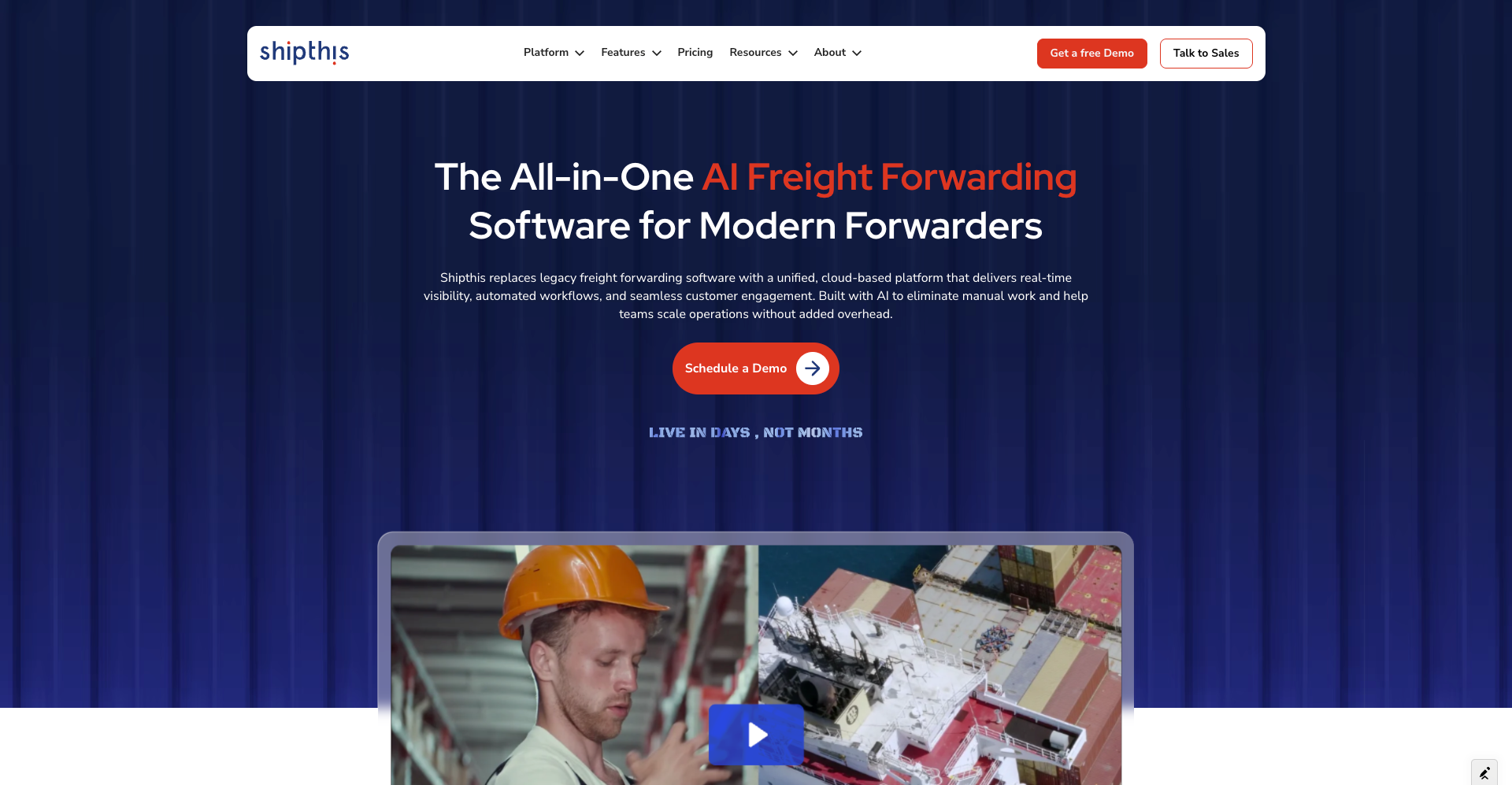
Shipthis delivers a powerful, AI-driven, white-label freight forwarding platform designed to streamline end-to-end operations.
It connects your processes, teams, customers, and data in one unified system—helping you manage workflows more efficiently and deliver better freight services.
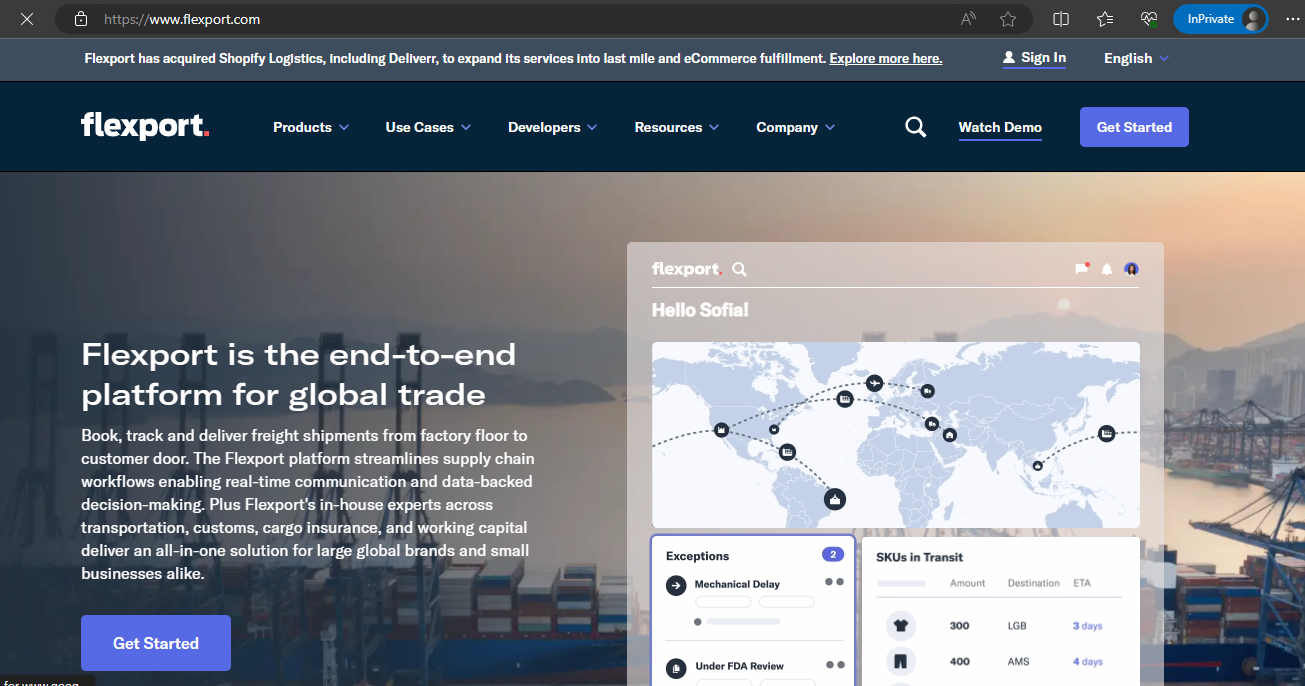
Flexport is a digital freight forwarder that helps streamline the supply chain workflow. It provides practical transport management tools effective for global trade and access to digital freight brokers.
Flexport’s pricing is available upon request.
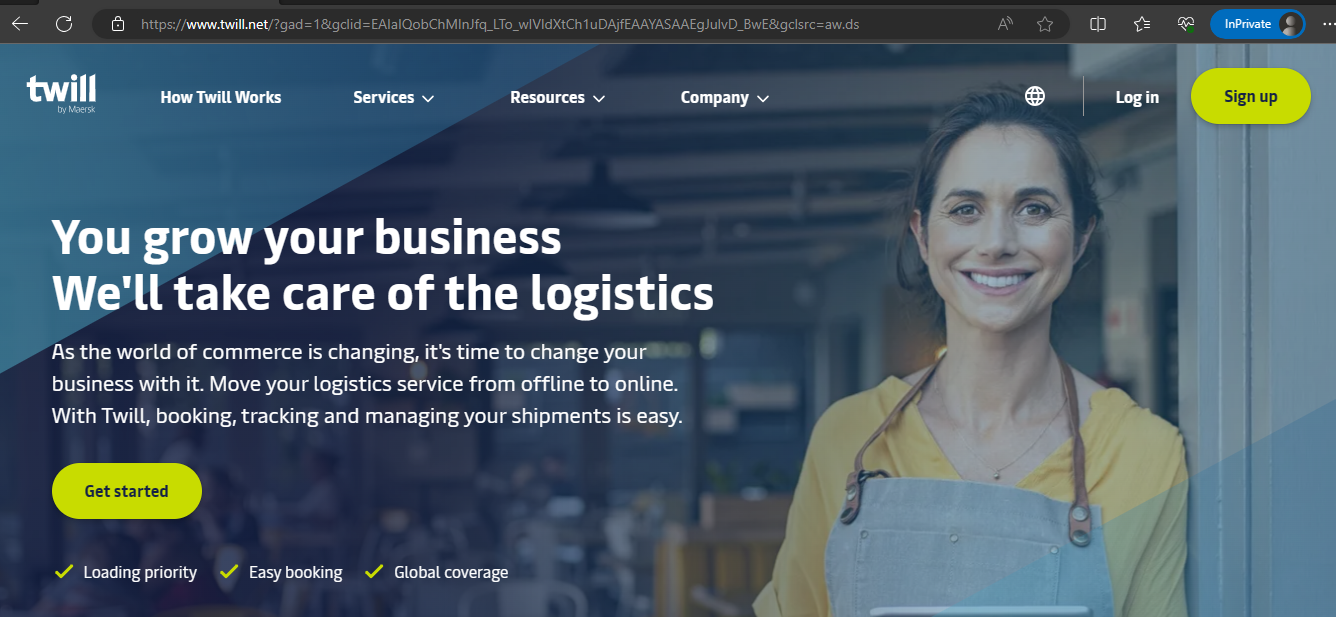
Twill is a freight forwarder with a digital freight forwarding platform that provides crucial shipping guidance.
Twill’s pricing is available upon request.
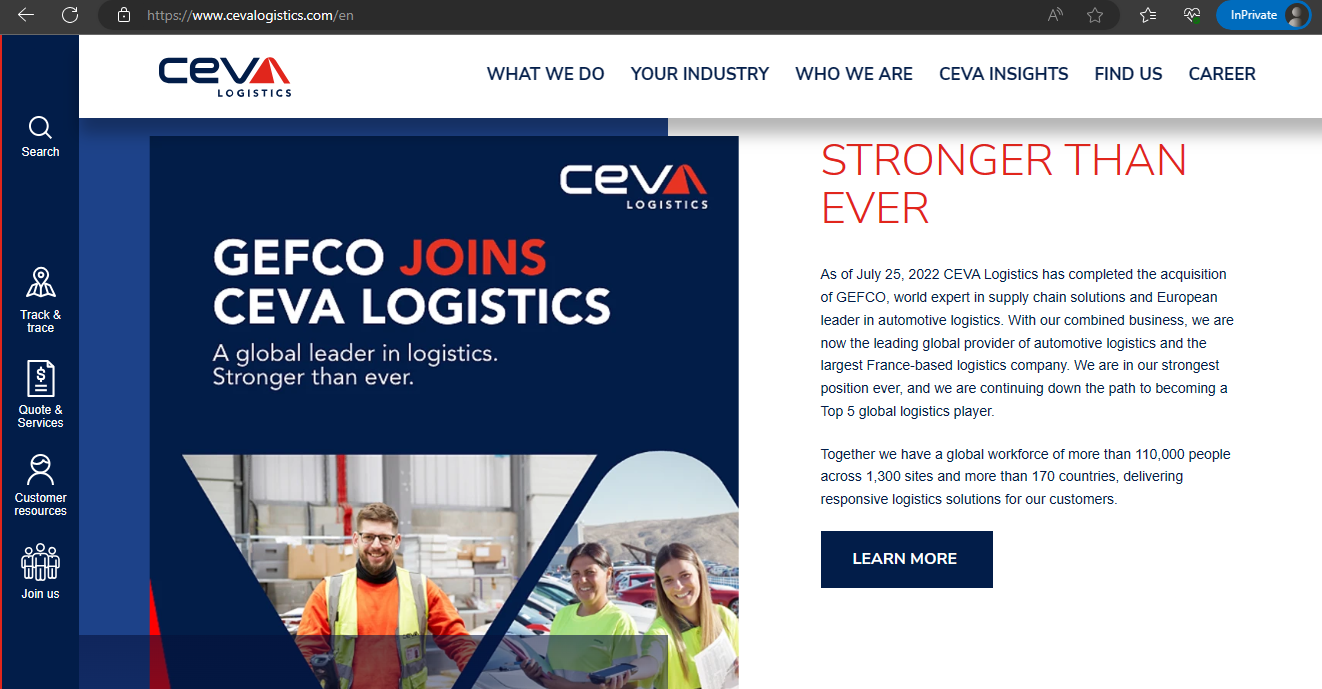
Ceva Logistics is a digital freight forwarder offering an e-commerce digital solution to individuals and companies involved in the logistics industry.
Ceva Logistics’ pricing is available upon request.
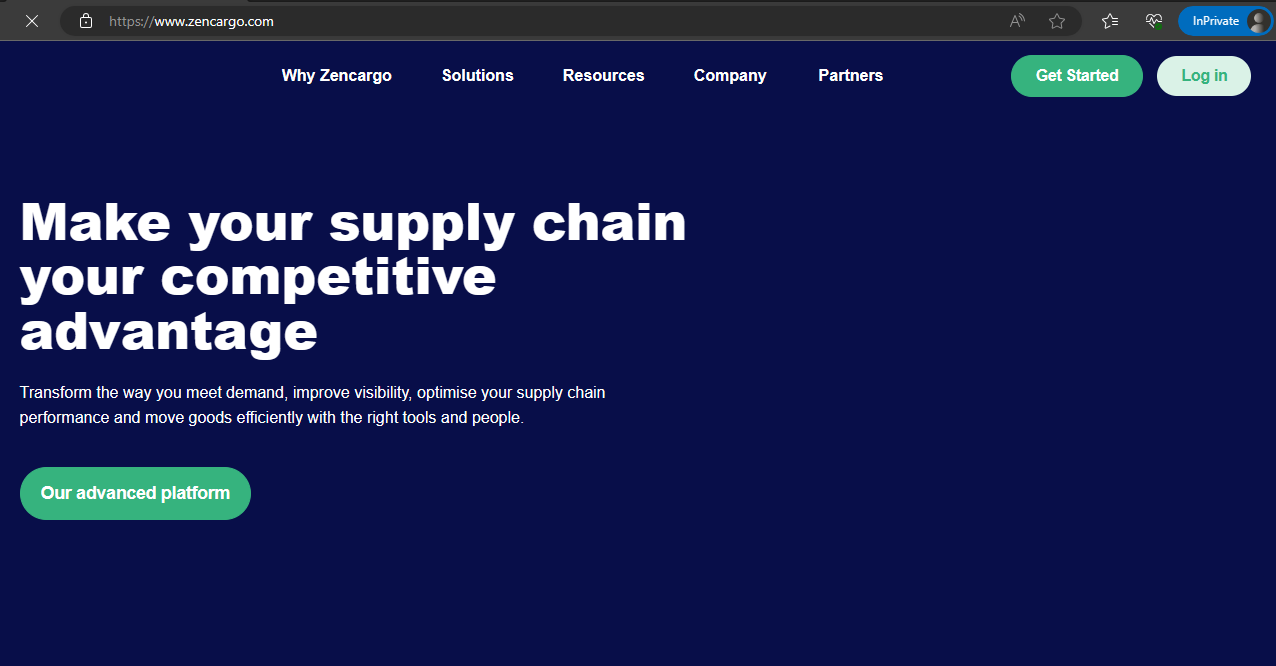
Zencargo is a freight forwarder with a digital freight management platform that enhances supply chain management and maximizes forwarding operations.
Zencargo’s pricing is available upon request.
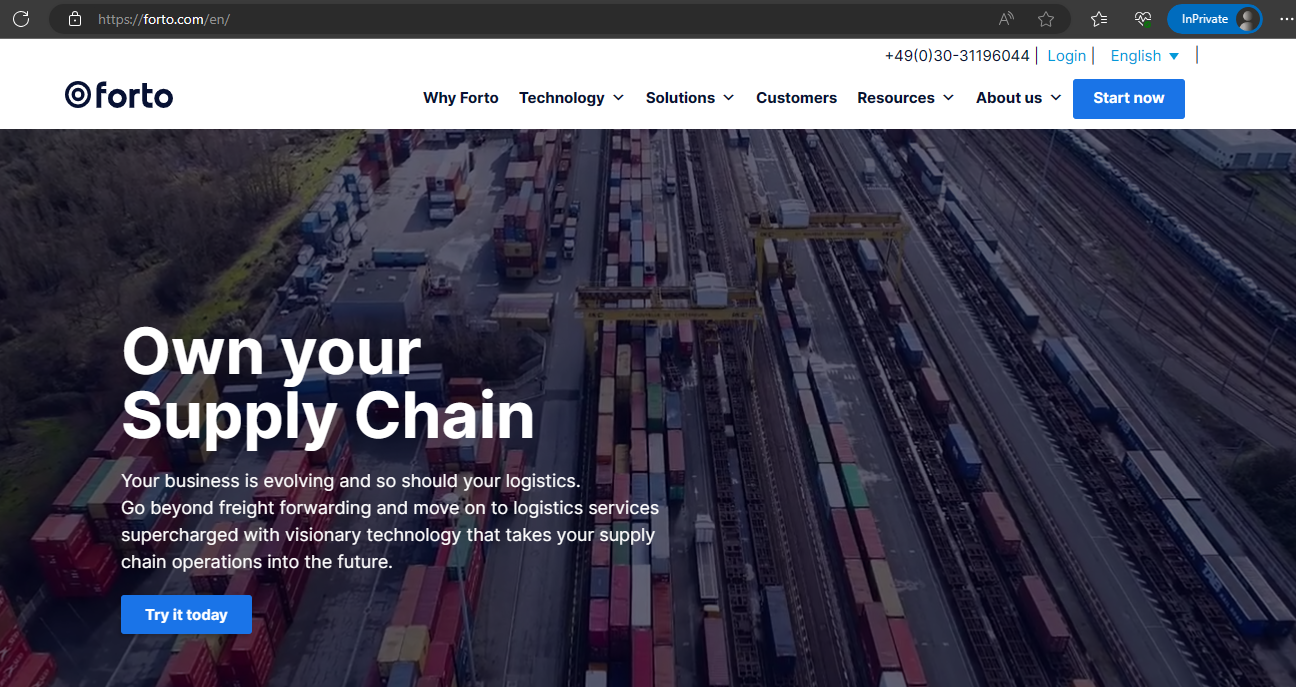
Forto provides transportation management and freight forwarding solutions to handle the movement of loads, like insurance, pre and on-carriage services, and more.
Forto’s platform is free to use. However, you can get details of its complete pricing upon request.
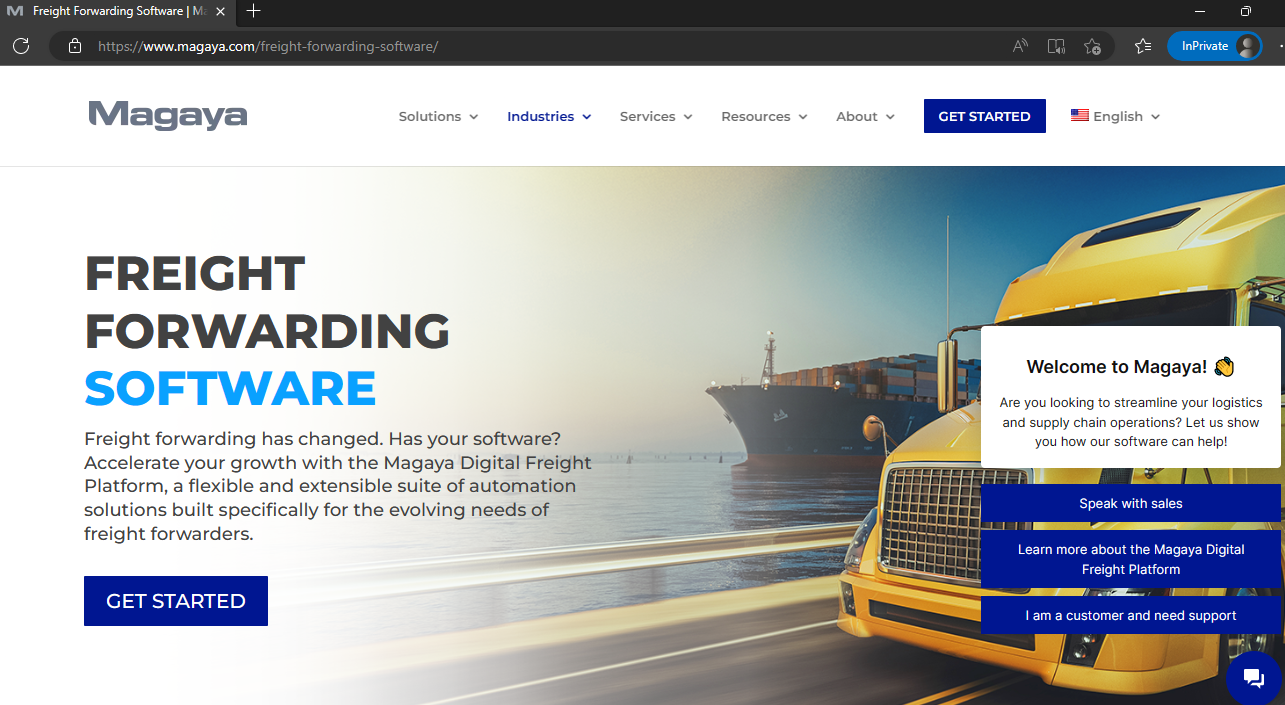
The Magaya Digital Freight Platform delivers an extensible set of automation solutions that help logistics teams operate faster, smarter, and more efficiently.
Pricing is available upon scheduling a consultation, including a six-minute virtual tour of the software.
Can’t decide on a digital freight management solution?
Let’s discuss what you need to consider before choosing a platform for your business.
Here are three essential things to look for before choosing a freight management platform:
Most people prefer to talk to a human if any issues arise. Your DFM provider should connect you to a skilled agent/ freight broker who understands the logistics process.
A specialist freight broker can keep you informed and contact you with follow-up information if there are any disruptions like closed facilities, if drivers are late, or other unforeseen events.
A good digital freight platform should offer a straightforward interface and helpful reporting through every shipment phase, from quoting to delivery.
Freight forwarders should be able to enhance customer experience, allowing users to:
If your current platform can’t at least do all that, seek better options in a freight marketplace.
Interested in a comprehensive digital freight platform that offers excellent customer experience and more? Give Shipthis a try!
Freight matching software is only as valuable as the freight marketplace you can access.
Let’s say you must be at the airport, but your Uber driver is late. You're going to miss your flight. Now, imagine if this happens with a freight shipment going to your biggest client.
Do you see where we're going with this?
Delivery delays can have huge effects on your business. The best DFM platform will ensure you have many carriers who are consistent and reliable. That’s why you need to find a logistics provider with a network big enough to cater to your shipping needs.
However, this only works if you implement the software properly.
Here’s how you should implement your digital freight management successfully:
Since you know how to implement DFM, let's discuss how integrating AI can help boost your digital freight management experience.
Artificial Intelligence has the potential to transform the logistics industry.
How?
AI can provide advanced analytics, predictive modeling, and real-time data. These functions can help shippers and carriers make informed decisions, reduce costs, and improve the efficiency of the supply chain.
AI can use algorithms and machine learning to automate and optimize manual processes involved with shipping, like:
In addition, AI can enhance security by detecting and preventing fraud and cyber attacks in real time.
Bottom line: Integrating AI into digital forwarding platforms will allow businesses to benefit from increased efficiency, cost savings, and improved decision-making.
Now let’s discover how else digitization has impacted the logistics industry by discussing freight matching.
Digital freight matching uses digital platforms to match shippers and freight brokers with carriers (truckers).
How does a digital freight matching platform work?
Businesses need to transport shipments, and trucking companies have drivers available who search for truckloads of freight. The platform will help them connect and find load matches that suit their capacity. It may even use AI and machine learning to make cost-effective matches.
Digital freight matching is sometimes called “Uber for trucking,” but this oversimplifies the best DFM platforms as it does much more than just pick up goods.
PS: Uber freight is a real thing in the freight industry, and it's rapidly expanding its physical footprint by hiring more brokers. So, freight forwarders need to go digital to keep up!
With Shipthis’ advanced integrations, we can integrate any digital freight matching platform of your choice!
Wondering about the differences between traditional 3PLs and digital freight matches?
Let’s find out.
Technically, everyone is a ‘digital freight matcher’ since all modern freight brokers and 3PLs use technology to match carrier capacity with shipper freight.
However, there are a few subtle differences:
A digital freight broker prioritizes technology and automation over human interaction and expertise.
Most digital freight matchers have a platform as a service (PaaS) offering.
What does this mean?
All transactions — quoting, matching, messaging, booking, and settlements — happen in their app with little to no human intervention.
This doesn’t mean they don’t use technology. Most 3PLs in today’s freight forwarding market use digital load boards and other digital tools to ensure successful interactions between a shipper and carrier.
To summarize:
The most significant difference between the two logistic stakeholders is how they approach technology. Traditional 3PLs adapt new tools into their people-centric logistics operations, whereas digital freight matchers entered the logistics space with a digital-first approach.
All these technological advances in the logistics industry influence the freight management market.
Read on to learn how.
Operating these sophisticated solutions require trained personnel, which can increase overall costs for end users. The lack of these skills may be a challenge for the digital freight market share.
In contrast, many data analytics, AI, and ERP innovations can assist the logistics industry in cross-border operations. Researchers are developing activities to improve the IT infrastructure to transform digital freight management solutions.
Plus, advancements like last-mile robots and self-driving vehicles can unlock new levels of safety, quality, and efficiency in the logistics industry.
What’s more?
The freight management market share is expected to experience rapid growth due to the enhancement of transportation management systems and other upgrades in the industry.
Here’s an outlook on the market:
So, if you’re looking to digitize your freight operations today, book a call with Shipthis and transform the way you ship!
